The Role of Structural Choices in Saving Energy
When building a home, energy efficiency is a key consideration. Many people focus on windows and insulation to save energy. However, the structure itself plays a crucial role too. The way your home’s frame is built can significantly impact how much energy you use. Understanding this connection helps homeowners make informed decisions that lead to more comfortable and cost-effective living spaces.

Why Framing Materials Matter
The choice of materials for framing affects your home’s energy efficiency. Some materials conduct heat better than others, which can raise or lower energy costs. For example, wood is a common choice because it provides decent insulation naturally. Steel is another option, but it conducts heat more easily, affecting indoor temperatures. Therefore, selecting materials wisely is vital for keeping heating and cooling expenses down.
Understanding Heat Transfer in Frames
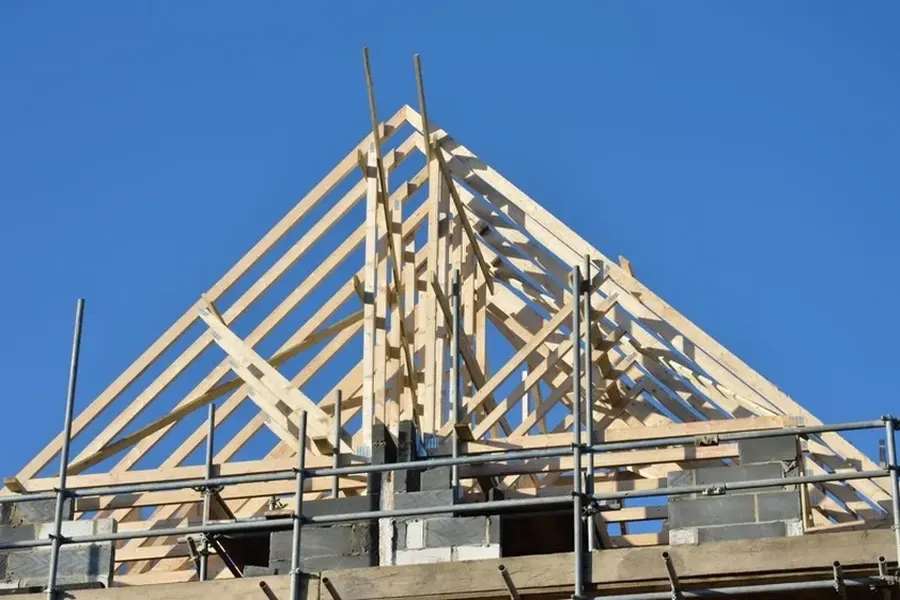
Heat transfer occurs when warm air moves through the walls and roof of your home. Proper house framing helps manage this process by reducing unwanted heat gain or loss. When frames are not well-constructed, they can create thermal bridges-areas where heat flows more readily. Eliminating these weak points ensures your home remains at a stable temperature with less reliance on HVAC systems.
The Impact of Building Techniques
Modern building techniques have evolved to improve energy efficiency. Advanced methods ensure better sealing and fewer gaps in construction. This reduces leaks where cold or hot air might escape. Technologies like structural insulated panels (SIPs) integrate insulation directly into the frame. These innovations demonstrate how thoughtful house framing contributes positively to managing energy consumption.
Benefits of Energy-Efficient Homes
Energy-efficient homes offer several benefits beyond saving on utility bills. They maintain more consistent indoor temperatures throughout the year. This comfort level enhances living conditions while protecting against extreme weather changes. Additionally, such homes often have higher resale values due to their advanced features and reduced environmental impact.
- Lower monthly energy bills
- Improved indoor comfort levels
- Increased property value
- Reduced carbon footprint
- Enhanced durability and longevity
Common Mistakes in Framing Choices
Builders sometimes overlook critical aspects of framing that influence energy efficiency. Using non-insulated studs or ignoring window placement can lead to inefficiencies. These mistakes increase heating and cooling needs over time. Homeowners should work closely with builders to avoid these pitfalls and choose options that maximize energy performance.
Practical Tips for Better Results
If you’re planning to build or renovate, consider these tips for improving your home’s energy efficiency:
- Select high-quality, insulating materials for framing
- Ensure airtight construction to prevent drafts
- Use efficient windows and doors to minimize heat exchange
- Consult experts to optimize design choices based on climate
- Consider eco-friendly options like recycled steel or bamboo
The Cost Factor: Is It Worth It?
While initial costs may be higher for energy-efficient framing solutions, long-term savings offset these expenses. Investing in quality materials saves money on utilities over time. Furthermore, government programs and tax incentives often support sustainable building practices, making them more accessible to homeowners.
Your Path to an Efficient Home With Modern Framing Solutions
Incorporating modern framing solutions can greatly enhance your home’s energy efficiency. With careful planning and smart choices, you can enjoy a more comfortable living space while also saving on costs. It’s essential to partner with knowledgeable professionals who understand both construction and energy conservation principles. Contact U N I Construction today at (775) 227-8375 for expert advice. We proudly serve clients in Reno, NV with top-notch services tailored to meet specific needs and preferences.